The UK's Great Wealth Transfer is gathering pace, with trillions of pounds expected to move between generations over the coming decades. But as wealth changes hands, the financial advice profession faces a challenge that extends far beyond managing the transfer of assets: understanding and adapting to a new generation of clients.
Recent reports on Great Wealth Transfer have highlighted a significant shift in how younger generations approach inherited wealth, with technology and artificial intelligence playing a prominent role in how they access financial information, assess their investment options and make decisions about their money.
According to Redmill Advance, this changing landscape will require the financial advice profession to think carefully about whether advisers are developing the right combination of skills to meet the expectations of a younger generation of clients.
David Tait, Founder & Managing Director at Redmill Advance, comments:
"The Great Wealth Transfer is a deeper issue than who simply inherits wealth; it's changing what clients expect from their financial adviser. As wealth passes to a new generation, advisers will be working with clients who are digitally confident, accustomed to accessing information instantly and expect a much more personalised experience."
The shift presents a significant opportunity for the advice profession, but it could also challenge traditional adviser-client relationships. Younger clients have access to more financial information than any previous generation, from a vast amount of general financial information online, investment platforms where clients can directly invest in a multitude of funds based on their risk appetite and increasingly sophisticated AI tools capable of cashflow modelling and researching complex financial questions from a wide variety of online resources.
Having greater access to information does not, however, remove the need for professional advice. Instead, it changes where advisers can provide the greatest value.
“As technology makes financial information increasingly accessible, advisers will need to differentiate themselves through capabilities that technology cannot easily replicate, including professional judgement, rapport building, communication, behavioural coaching, empathy and the ability to understand the wider circumstances behind major financial decisions.”
Tait continues:
"The value of an adviser has never simply been their ability to provide information. Increasingly, it will be their ability to interpret that information, understand the person sitting in front of them, connect with them emotionally and apply professional judgement and guidance when the answer isn't straightforward
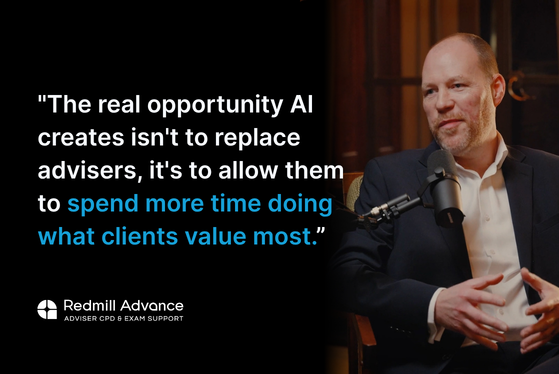
"AI can provide information almost instantly, but it can't fully understand a family's priorities, navigate the emotions surrounding an inheritance or build the trusted relationship that often sits behind major financial decisions. Those human capabilities are going to become even more valuable as technology becomes more sophisticated."
For financial advice firms, preparing for the Great Wealth Transfer cannot simply be about strengthening existing infrastructure such as enhancing existing or investing in new technology, developing new investment or product strategies or even simply finding clever marketing tactics to attract this next generation of client. Advisers must now have the complex technical knowledge and just as importantly interpersonal capabilities required to build meaningful relationships with the next generation.
“Technical knowledge will remain fundamental, particularly as advisers navigate complex areas including investment, pensions, inheritance tax and intergenerational planning, but good communication, digital confidence, critical thinking and relationship-building will become increasingly important components of adviser capability. Professional and personal development in these areas will therefore need to evolve as the next generation of client emerges”
Redmill Advance believes firms that broaden their approach to professional development will be better positioned to establish new and retain existing relationships as wealth moves between generations, while ensuring advisers continue to demonstrate their value in an increasingly digital landscape.
Tait concludes:
"The Great Wealth Transfer represents an enormous opportunity for the financial advice profession but retaining that wealth within advised relationships cannot be taken for granted. The next generation of clients will have different expectations, different ways of accessing information and different ideas about what they value from an adviser.
"Firms should be asking whether they're developing advisers for the clients they have today or the clients they will be serving over the next five to ten years. Professional development has to evolve alongside those expectations, combining technical excellence with the interpersonal skills that will not only define great financial advice but great client relationships in the future."





.png)